Description
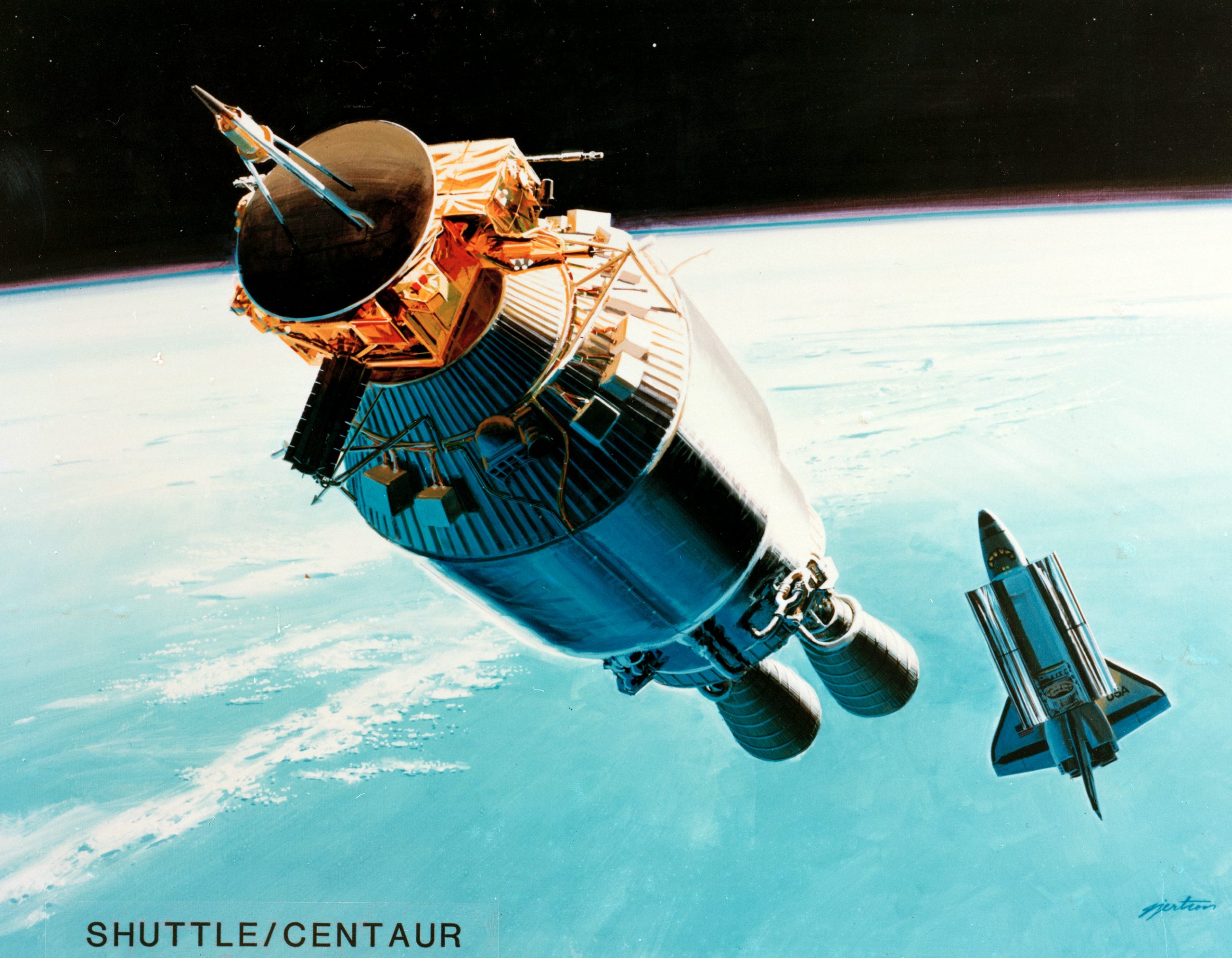
(Image credit: NASA Glenn Research Center)
The Centaur rocket stage, developed in the United States during the late 1950s and first launched in 1962, is widely regarded as a pioneering achievement in space technology and innovation.
As the world’s first rocket stage powered by liquid hydrogen and liquid oxygen, Centaur introduced a new era of high-efficiency propulsion, enabling heavier payloads to reach higher orbits and interplanetary destinations. This technological leap was instrumental in supporting many landmark missions, including Mariner, Pioneer, and the Voyager probes, which explored our solar system and beyond.
Harrison West will guide us through the development, challenges, and enduring legacy of Centaur, examining how the rocket stage’s versatility and reliability also played a critical role in the launching of commercial, scientific, and military satellites, shaping the modern landscape of the space industry. Its innovative design paved the way for subsequent developments in upper-stage rocketry, influencing both American and international launch vehicle architectures to this day and firmly establishing Centaur’s legacy as a cornerstone in the history of space exploration.
Speaker bio: Harrison West is the head of the BIS Space History Branch and has been a member of the BIS for 5 years. He enjoys a long-standing passion for learning and discussing topics such as world history, astronomy, and space history. In addition, he is conducting a study into the history of British spaceflight.